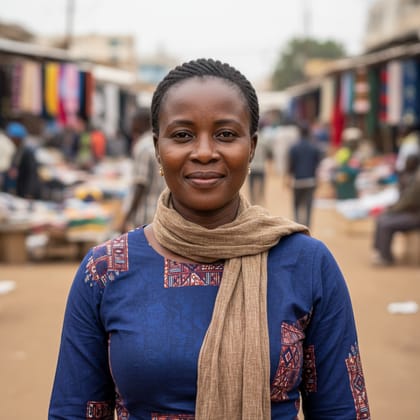
The Sango of Chad

The Sango of Chad, numbering approximately 57,000 people, are No Longer Unreached. They are an Adamawa-Ubangi ethnolinguistic group indigenous to the Ubangi reiver are of the Central African Republic. They are an Diaspora people, in the Adamawa-Ubangi people cluster of the Sub-Saharan African affinity bloc. Their primary religion is Ethnoreligion. They primarily speak Sango.

Sango in Congo photo
Photo courtesy of Joshua Project. Photo Source: Amy Kuhl

Fast Facts:

Affinity Group: Sub-saharan Africa Peoples
Country: Chad
People Cluster: Adamawa-Ubangi
Primary Language(s): Sango (sag)
Primary Religion(s): Ethnoreligion
Population: 57,000
Strategic Progress Index (SPI): No Longer Unreached
Global Status of Evangelical Christianity (GSEC): 2% or Greater but Less than 5% Evangelical
People Group ID: PG011446

Pray for the Sango of Chad

Join others around the world in praying for the lost to be saved, the gospel to advance, the global Church to grow, and for laborers to be sent out and sustained in the harvest.

Dig Deeper (Religion):

Primary Religion: Ethnoreligion
Religious Affiliation: Ethnoreligion

%
Ethnoreligion Adherents

Dig Deeper (Language):

Primary Language: Sango
Language Family: Creole

%
Sango Speakers

Media Resources in Sango:

Films:

Bible Resources in Sango:

Or check out the Sango bible resources at Bible.com

Linked from YouVersion

Next steps for the Sango

The Sango are Unengaged and Unreached, which means there are less than 2% evangelical Christian populations among which there are no known efforts focused on establishing self-sustaining churches consistent with evangelical faith and practice.

Begin signifcant prayer and fasting for this group
Send cross-cultural teams to discover and research this people group
Begin gospel seed sowing and church planting among this group

Next steps for the Sango

The Sango are Engaged yet Unreached, which means there are less than 2% evangelical Christian populations but there are sustained efforts at establishing self-sustaining churches consistent with evangelical faith and practice.

Continue prayer and fasting for this group
Continue gospel seed sowing and church planting among this group
Begin training up local leaders to lead and develop strategies to reach their own people

Next steps for the Sango

The Sango are No Longer Unreached, which means there are more than 2% evangelical Christian populations and there are churches consistent with evangelical faith and practice. There is still more to be done among them.

Empower local believers to begin praying for their own people
Continue gospel seed sowing and church planting among this group
Encourage local leaders to being leading church planting strategy and looking for Unreached and Unengaged groups nearby

Pray specifically for the Sango of Chad

"...And some fell into good soil and grew and yielded a hundredfold." As he said these things, he called out, "He who has ears to hear, let him hear."
readLuke 8:8

Pray that the seeds of truth will take root in the hearts of those who are far from Jesus and that He will lead them from darkness to light.

For I will proclaim the name of the LORD; ascribe greatness to our God!
readDeuteronomy 32:3

Pray that believers will proclaim the Lord’s name and declare the greatness of our God so that others might believe in Him.

Let us then with confidence draw near to the throne of grace, that we may receive mercy and find grace to help in time of need.
readHebrew 4:16

Pray that as people place their faith in Christ, they will boldly draw near to God as they approach Him in prayer, receive His mercy, and find grace for help in their time of need. 

The steps of a man are established by the LORD, when he delights in his way.
readPsalm 37:23

Pray that believers from near and far will serve here and trust in the Lord's timing as He establishes their steps.

Sango (ROP3 - 108648) reported in the following countries:

To download a comprehensive people group list in spreadsheet form, visit our Research Data page.

Peoplegroups.org relies on updates from the field and other organizations for much of our data, so if you have any updates, please contact us. We use various international naming standards. For a list of these standards and fields, visit our Definitions page.

Scroll to Top